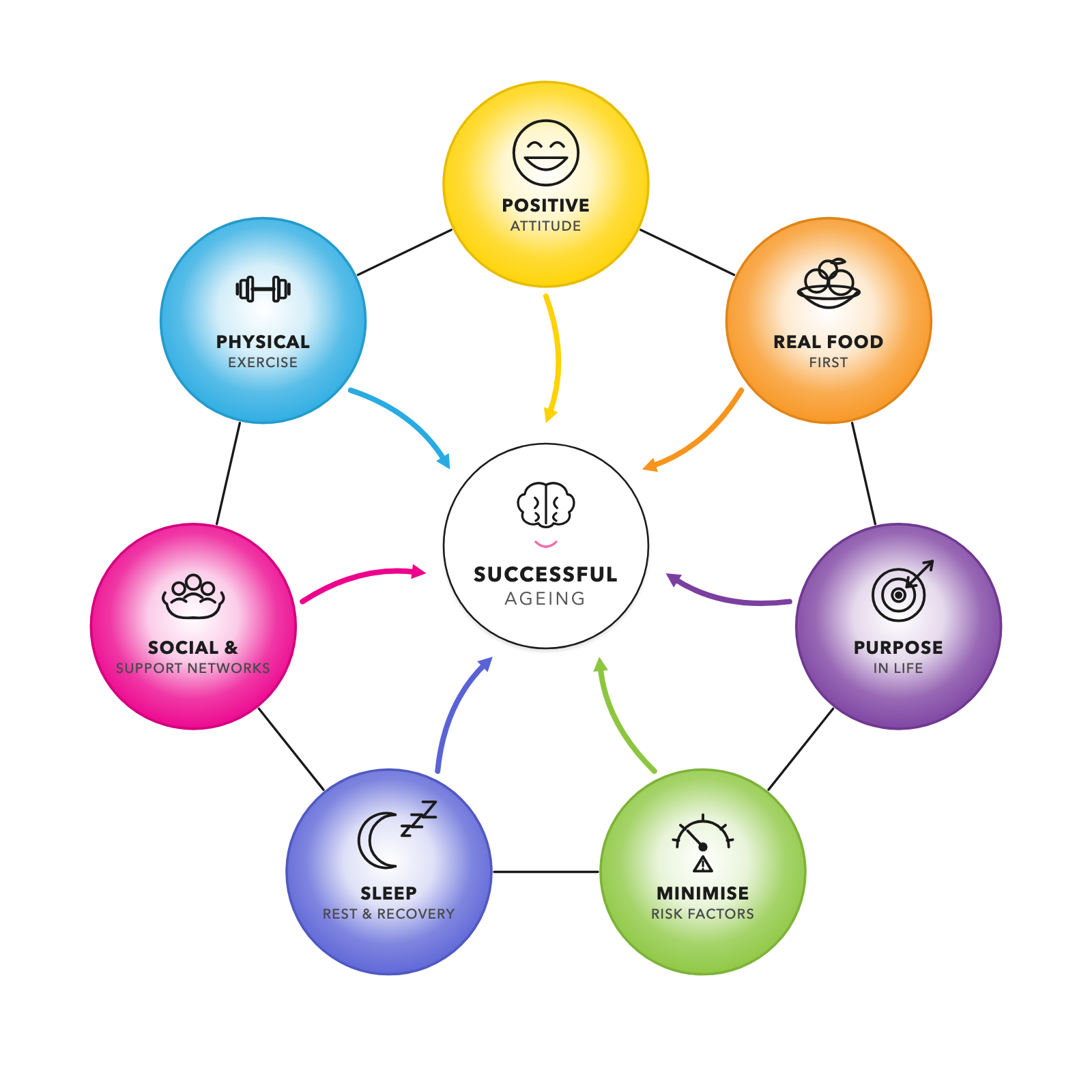
When the results of Dr G’s interviews with Elders and health professionals were correlated, & key lifestyle components were identified in the Successful Ageing model.
What follows are the core components consistently shared by people who age successfully.
A positive attitude
A positive attitude to life was considered by the Elders to be the most critical attribute, as it became the catalyst for all other components in the Successful Ageing cluster.
A positive attitude provides:
The impetus to get out of bed in the morning
The commitment to pursue physical activity
The discipline to consume a healthy diet
The confidence to mix socially and network with others
Extensive studies undertaken by Levy et al. (2002) found that people with a positive attitude enjoyed an additional 7.5 years of life expectancy.
A smile and a positive persona are infectious and can lift both the giver and the receiver of a greeting. In contrast, a negative interaction can leave both parties feeling dejected. Try to leave people happier than you found them.
Be welcoming, not unwelcoming.
Be happy, not unhappy.
Be friendly, not unfriendly.
Be honest, not dishonest.
Be sociable, not unsociable.
If someone tells you they are ‘bordering on excellent,’ your immediate thought might be: I’ll have what they are having.
If someone says they are having a bad day, try to cheer them up with a positive comment.

Dr G’s late mother Esma – 25 years old (left) to 93 years young (right).
2. Physical exercise
Physical exercise is the closest thing to a panacea for successful ageing.
The World Health Organisation (WHO) has concluded that:
60% of heart disease, stroke and type 2 diabetes, and
40% of cancers
can be prevented through inexpensive, cost-effective physical exercise.
Subsequent studies confirm the importance of moderate to vigorous exercise on a regular basis. In Dr G’s opinion, this means exercising at least six days per week. It’s also crucial to integrate muscle mass exercise with your cardiovascular routines.
All of the Elders in Dr G’s study pursued some form of physical activity regularly, with most undertaking multiple forms of activity each day. Both Elders and health professionals identified exercise as the most important measure in pursuing a healthy life.
Dr G believes any exercise is good, more is better, vigorous is best.
“The real reason we feel so good when we get our blood pumping is that it makes the brain function at its best.” – Dr John Ratey.

Dr G (pictured far right) with a ‘2km per session’ swim group at Moore Park in Sydney.
3. Real food first
Vegetables and a limited amount of fruit are essential to a healthy diet. Reducing takeaway food, deep-fried food, refined food and energy-dense food is also critical to achieving appropriate vitamin and nutrient intake.
Most Australians do not have a healthy diet. While many supermarket foods are marketed as ‘healthy,’ they are often high in salt and sugar, encouraging overconsumption.
The general consensus among nutritionists is that the Mediterranean diet provides the best balance of carbohydrates and protein for most people.
Dr G recommends following the Japanese principle of Hara Hachi Bu: stop eating when you are 80% full.
One member of Dr G’s Ab Lab participants lost 30 kilograms in six months, without drugs, by increasing exercise and following Hara Hachi Bu.
While there are strong arguments for vegetarian and vegan diets, Dr G’s opinion is that it can be difficult to obtain sufficient protein from these diets, particularly as we age.
The Mayo Clinic identifies the ultra-process foods and beverages with the most potential to do damage to your health. These ultra-processed options tend to contain:
Five or more added ingredients
Added sugar, salt, oils, fats, stabilise and preservative
Additive that imitate the flavour, colour or texture of less processed food
Ingredients not found in nature, such as high fructose corn syrup
“There is simply no better elixir for metabolic health than exercise, nutrition and sleep.” – Dr Peter Attia.
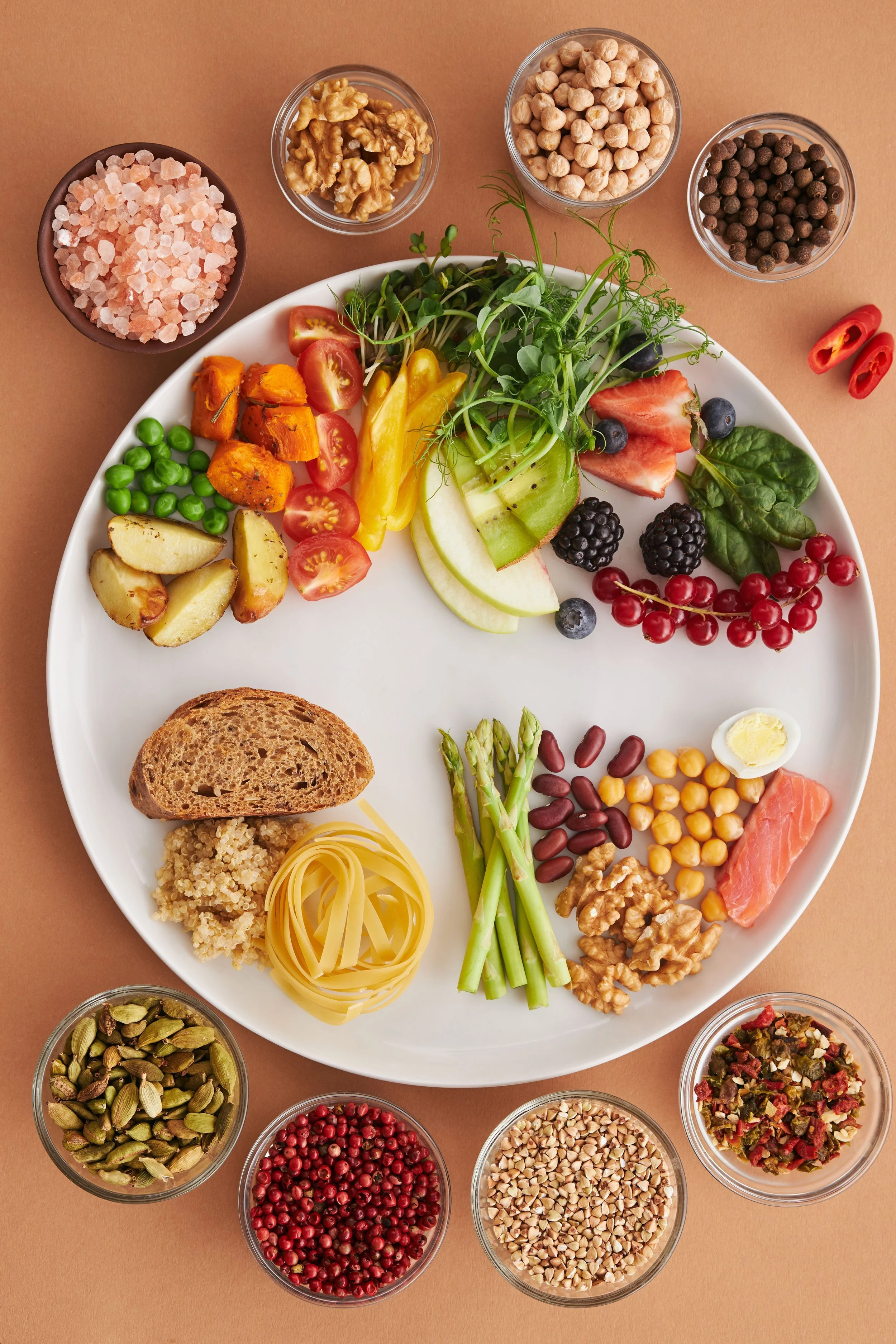
A healthy balanced diet that is very low in processed foods is key to a healthy mind and body.
4. Social & support networks
Humans are pack animals. We rely on other humans to survive. Social and support networks are therefore essential for wellbeing and mental health as we age.
A strong network of friends and positive acquaintances helps us during both good times and difficult periods.
Dr G’s Ab Lab group has met every Monday morning at 5:50am for over 20 years. Faces have changed over time, but the combination of exercise, banter, coffee and conversation has remained. These networks provide important social interaction and a sense of belonging.
Having a reliable health support network is also essential. This may include your GP, specialists and allied health professionals you can trust when health issues arise.
The Elders interviewed by Dr G all had strong social and support networks they could draw on as needed.

Dr G (pictured centre) socialising with long-time friends.
5. Purpose in life (Ikigai)
The Japanese call it Ikigai. It's a reason to get out of bed in the morning, or a purpose for living.
As part of developing your purpose, have short-, medium- and long-term goals which become your lifestyle program. Purpose fuels our positivity, energy, enthusiasm and joy. Purpose may come from study, fitness, volunteering, creativity or helping others. It does not matter what your purpose is, as long as you have a passion for it.
All the Elders in Dr G’s study had their own Ikigai, which they pursued with enthusiasm. Some Elders swam every morning at 5:30am.
Purpose provides direction, motivation and meaning throughout life.

Dr G (pictured centre) with his Monday morning Ab Lab. Regular exercise becomes one of your goals, and one of your reasons for getting out of bed.
6. Minimise risk factors
Most ‘ageing problems’ begin with lifestyle risk factors – but we can control those risks.
Minimise risk of falls - improve balance, increase leg strength.
Moderate consumption of alcohol & unhealthy food.
Manage weight, blood pressure, lipids and sugar.
The key behavioural risk factors include:
A sedentary lifestyle
A diet high in energy-dense food (including salt and sugar)
Smoking
The downstream biomedical effects of these behaviours include diabetes, heart disease and various cancers.
By addressing lifestyle first, many of these risks can be significantly reduced.
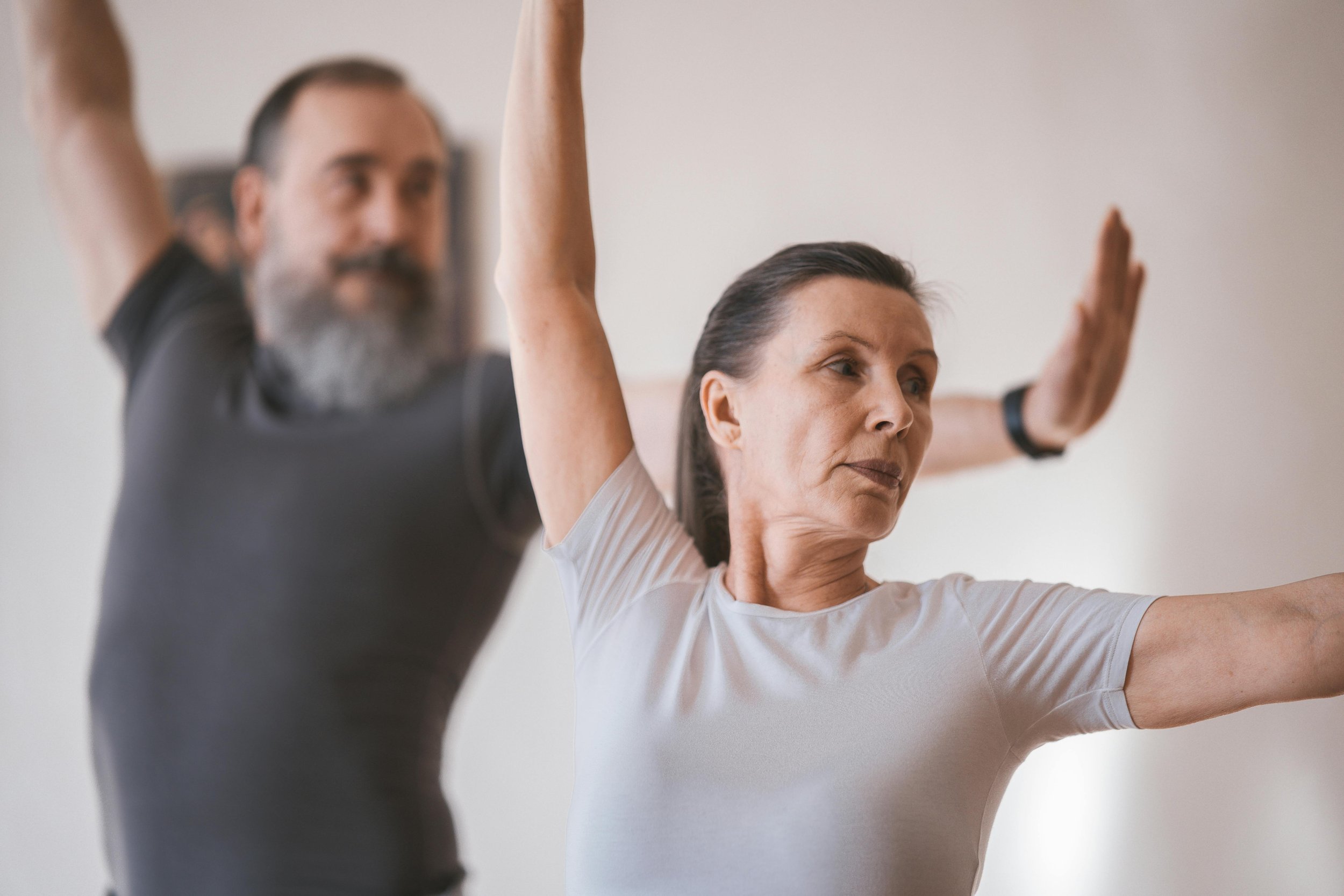
Regular stretching & pilates helps to minimise risk of falls.
7. Sleep
{Erin to add copy here}
Adopt the Elders’ formula for successful ageing
These 7 components form the foundation of Dr G’s Successful Ageing model, developed through his PhD research and supported by his own lived experience as well as the Elders and health professionals he interviewed.
The principles are simple, but the impact is profound.
Successful ageing is not accidental.
It is the result of a positive attitude, regular exercise, healthy diet, strong networks, finding your purpose, minimising risk factors and prioritising sleep.
And it is never too late to begin.