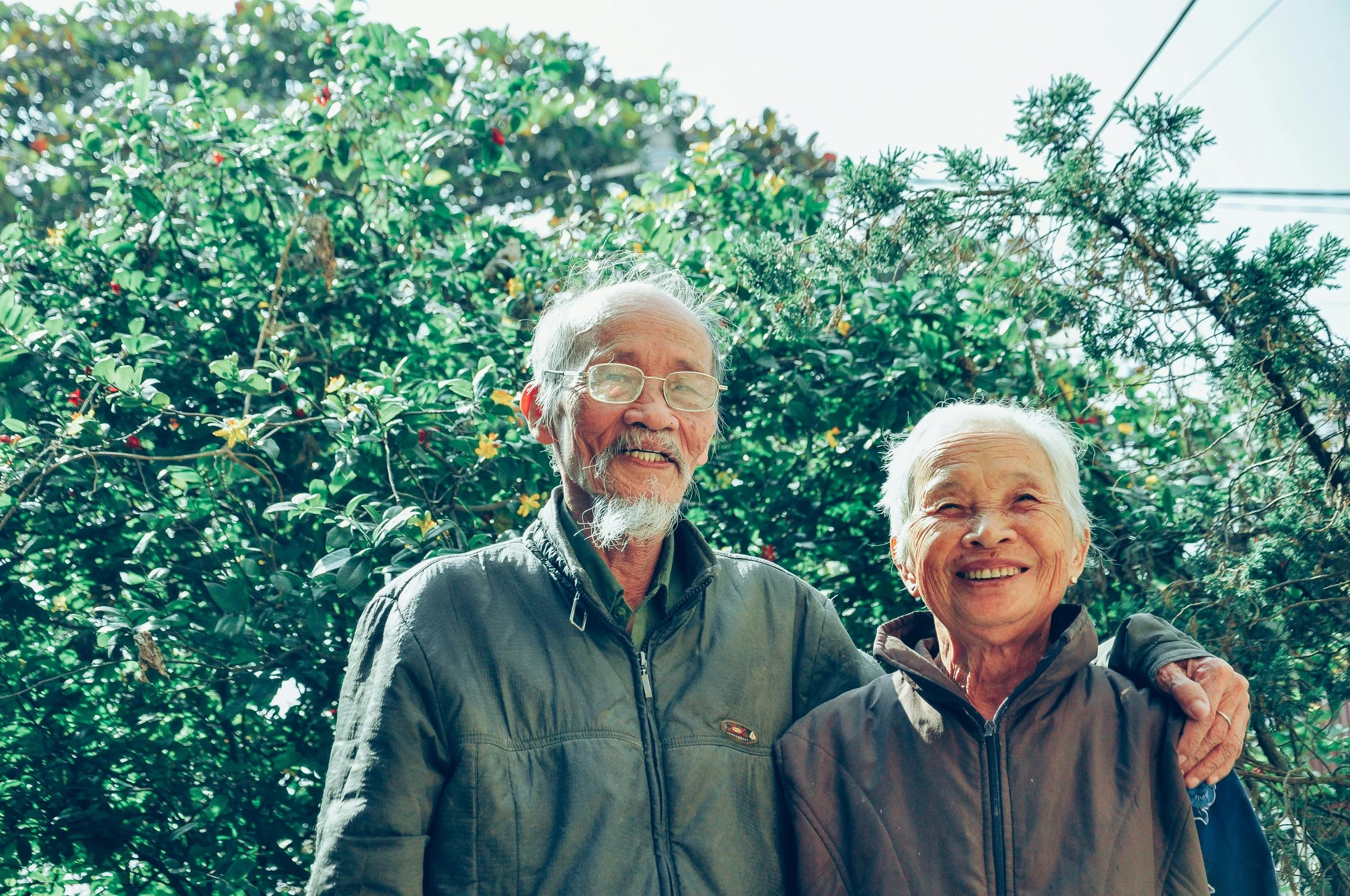
This study involved examining over 600 Okinawan centenarians and numerous Japanese youngsters in their 70s, 80s and 90s. The study revealed that the Okinawan lifestyle was providing real, scientifically verifiable reasons why these people were so healthy so far into their senior years.
Bradley Willcox, Craig Willcox and Makoto Suzuki are longevity researchers best known for their book The Okinawa Program (2002), which explores the lifestyle and dietary habits of Okinawan Elders, who are known for exceptional health and lifespan.
The researchers’ work blends epidemiology, gerontology and cross-cultural health insights to promote successful ageing worldwide. Their book, which was based on a 25-year study, confirmed that Okinawa, a Japanese island, has the longest-lived people, and Japan has the greatest number of centenarians.
After examining over 600 Okinawan centenarians and numerous ‘youngsters’ in their 70s, 80s and 90s, they observed clear patterns were emerging. In particular, it became obvious that the Okinawan lifestyle was providing some real, scientifically verifiable reasons why these people were so healthy in their senior years.
Our arteries are our lifelines. If our blood circulation is compromised in any part of the body, we are at risk of injury or death. The Okinawan centenarians had arteries like 20- and 30-year-olds. High blood pressure (hypertension), a common problem in Australia, was almost non-existent among the Elders in Okinawa. Similarly, there were few incidents of heart attacks or strokes and other diseases or cancers. It really makes you think! What are we doing wrong?
The study concluded that it was the lifestyle determinates that were responsible for their successful ageing, specifically regular exercise, diet, moderate alcohol use, avoidance of smoking, stress minimisation and spiritual outlook. Bradley Willcox and colleagues found that Okinawans were at low risk for hormone-dependent cancers, in particular breast, prostate, ovarian and colon cancers, compared to Western society.
The lifestyle determinants they identified included mainly diet – low caloric intake with high consumption of soy, vegetables and fish; moderate alcohol; high levels of physical activity; and low body fat.
Their diet included fish three times a week (usually oily fish), a variety of plants and nuts, and a considerable amount of fibre with a limited amount of red meat.
Okinawans also had strong social networks, referred to as the Moai. These community groups were family and extended family, who looked after each other. If one member of this extended family fell on hard times, the group would band together to provide food, shelter or whatever was needed.
Doctor William Osler, referred to by Wilcox (2001) as the father of modern medicine, once remarked that, A man is only as old as he is arteries. These words apply equally to women.
Findings: Elderly Okinawans were found to have amazingly young, clean arteries, low cholesterol and low homocysteine levels when compared to their counterparts in the West. These factors help reduce their risk of coronary heart disease by up to 80% and keep stroke levels low.
Lifestyle determinants: Diet, regular exercise, moderate alcohol use, avoidance of smoking, blood pressure control, low stress and a positive spiritual outlook.
If I had known that I was going to live this long, I would have taken better care of myself.
– Eubie Blake (100 years)